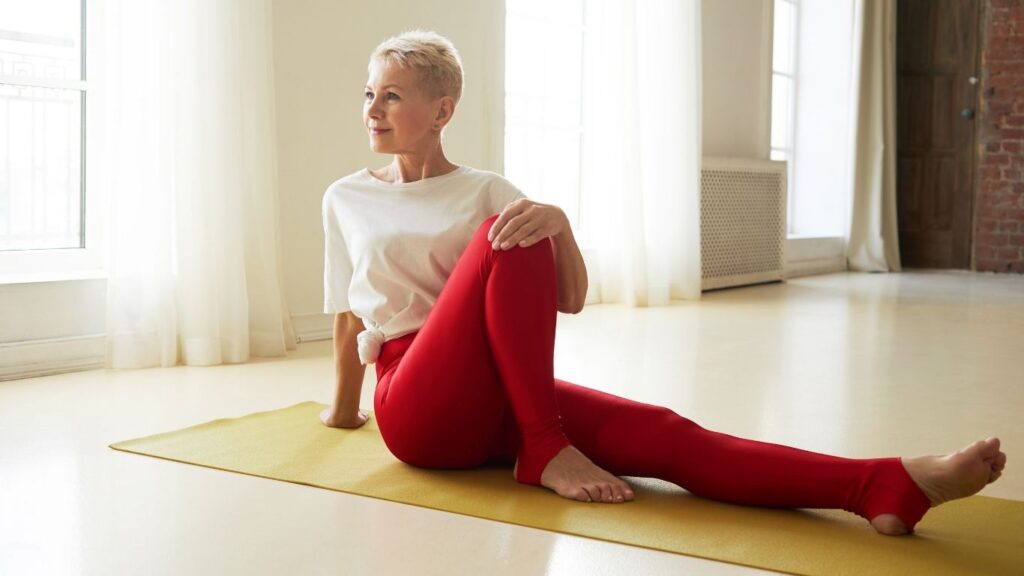
Your knees may feel stiff, your hips may feel tight, or your shoulders may feel heavier than they used to when you wake up. Discomfort over time isn’t just caused by ageing; it’s also caused by not being able to move around and poor circulation. The good news is that you don’t have to do intense workouts to protect your joints and improve your flexibility. Gentle, regular yoga can do both. You don’t need to follow complicated routines. A few mindful poses done on a regular basis can really help.
Here are seven yoga poses that can help your joints stay healthy, ease stiffness, and make it easier for you to move after age 40.
Tadasana
Tadasana, or Mountain Pose, may look easy, but it helps your joints line up correctly. Stand with your feet about hip-width apart and evenly distribute your weight. Tighten your thighs a little, lengthen your spine, and relax your shoulders.

This pose helps you stand up straighter and takes pressure off of your knees and ankles. When your posture gets better, your joints naturally don’t hurt as much. For about a minute, practise slow breathing here to get things back in line.
Cat and Cow
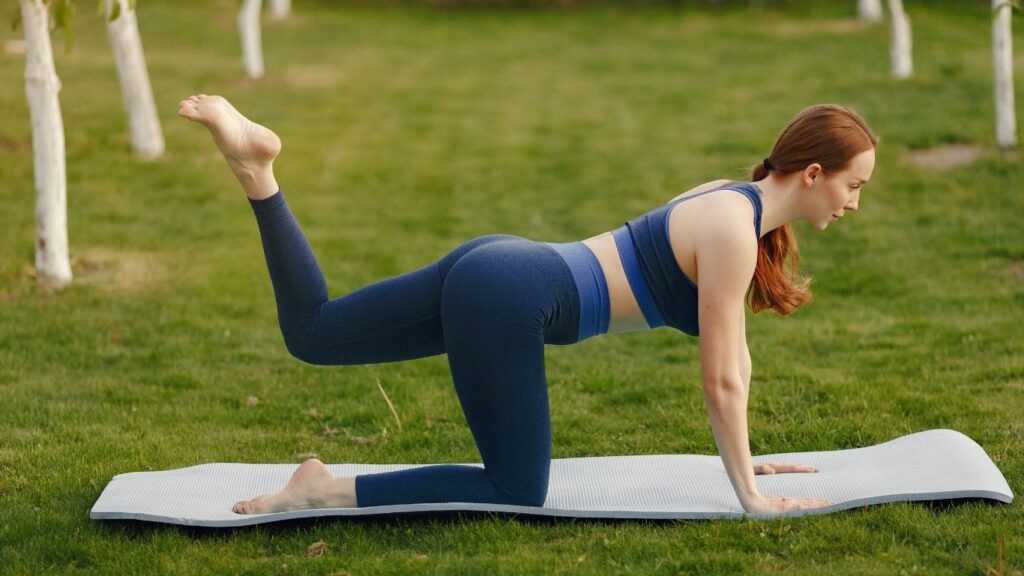
This gentle movement between two positions is great for the shoulders and spine. Get down on your hands and knees to start. As you breathe in, let your belly drop and your chest rise. As you round your spine and tuck your chin, let out a breath.
Cat Cow makes the joints in the spine more flexible and helps the back and neck move more easily. It also makes blood flow better, which helps with morning stiffness. Instead of speed, focus on controlled breathing and moving slowly.
Vrikshasana
The Tree Pose makes the ankles, knees, and hips stronger. Stand up straight and put one foot on the other inner calf or thigh. Keep your hands together at your chest and your balance steady.
When you do balancing poses, the muscles around your joints that keep them stable get stronger. Stronger supportive muscles take stress off of the structures that make up joints. If you have trouble with balance, stand close to a wall for safety. Hold for 20 to 30 seconds, then switch sides.
Bhujangasana
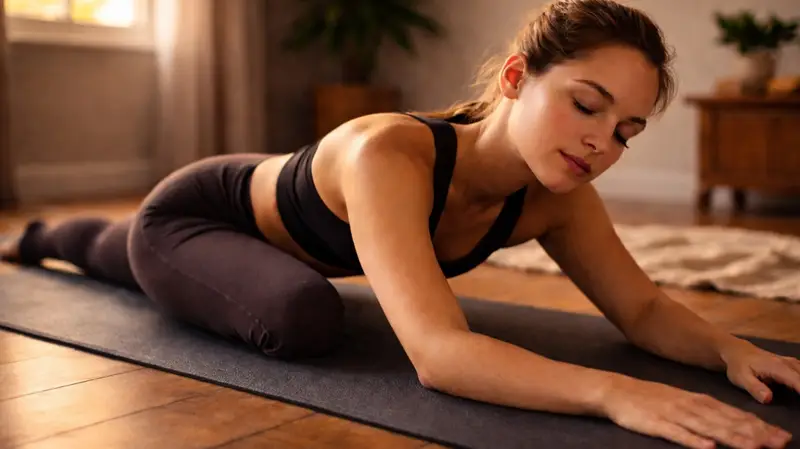
Cobra Pose is good for your spine and helps your shoulders relax. Put your hands under your shoulders and lie on your stomach. Then, with your elbows slightly bent, lift your chest.
This pose helps strengthen the muscles in your lower back and ease stiffness from sitting for long periods of time. It helps keep the joints between the vertebrae moving, which is more important as we get older. Don’t push too hard. Just a little lift is all you need.
Setu Bandha Sarvangasana
Bridge Pose makes your hips stronger and helps keep your knees stable. Put your knees up and your feet flat on the ground. Slowly lift your hips while pressing into your feet.
Strong glutes and hamstrings take some of the stress off of your knees. After the age of 40, it’s important to keep the muscles around your joints strong. Take five to eight breaths in the pose, then slowly lower down.
Trikonasana
Triangle Pose stretches the hips and strengthens the legs at the same time. Put your feet wide apart, turn one foot outward, and reach forward before putting your hand on your shin or the floor.
This position makes the hips more flexible and the joints move more freely. It also gently helps the knees and ankles line up. Don’t lock your knees and keep your chest open.
 8 Calming Yoga Poses for Instant Stress Relief That Quiet the Mind and Relax the Entire Body
Child’s Pose
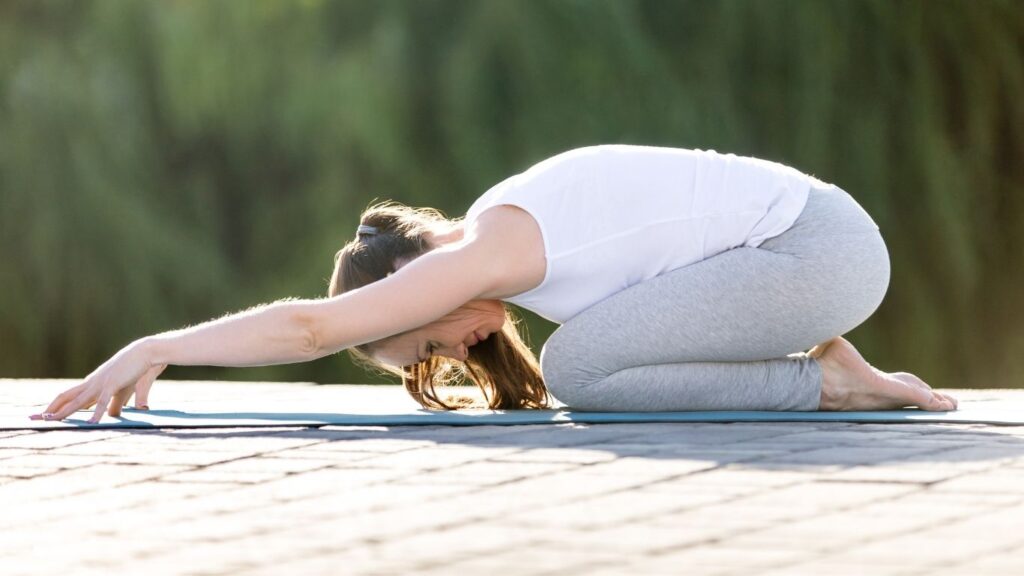
Child’s Pose, or Balasana, is a resting position that gently supports the knees and hips. Lower your chest and sit back on your heels. Stretch your arms out in front of you.
This calming pose helps joints relax after activity and lowers inflammation by improving blood flow. It helps a lot to let go of stress after doing poses that build strength. Breathe slowly for one to two minutes while you stay here.
Why Joint Care Is Important After 40
As we get older, our cartilage naturally becomes less flexible. Being inactive makes it worse. Gentle movement on a regular basis helps keep synovial fluid in the joints, which makes them less painful and helps them move more freely. Yoga is a low-impact way to strengthen and stretch that protects your knees, hips, shoulders, and spine without putting too much stress on them.
Intensity is not as important as consistency. Doing these poses three to four times a week can slowly make you more flexible and comfortable. Pay attention to what your body is telling you. Stretching a little is fine, but not a lot.
Safe Practice Tips
Get ready before you start. Take your time and breathe deeply. If you don’t feel flexible, use props like yoga blocks or folded blankets. Don’t push yourself to do deep stretches, especially if you already have joint problems. If the pain doesn’t go away, talk to a doctor before continuing.
Your joints can feel more flexible and supported even after 40 if you are patient and keep practicing. A little bit of work every day can help you stay active and independent for a long time.
Questions That Are Often Asked
Is it safe for your joints to do yoga after 40?
Yes, gentle yoga is usually safe and good for your joints. When done with care, it increases flexibility, strengthens muscles, and helps with movement.
How often should I work out for my joints’ health?
Three to four times per week is ideal. Even short sessions of 20 minutes can help keep your body flexible and make it less stiff over time.
Does yoga help with knee pain?
Yes, strengthening poses like Bridge and balance poses like Tree help build supportive muscles around the knees, which can reduce strain and discomfort. It can reduce joint pressure effectively.
When is the best time of day to do joint yoga?
Morning sessions help with stiffness, and evening sessions help with stress after work. Pick a time that works for you and stick to it.
Do I need to have done yoga before?
No. These poses are beginner friendly. Start slowly, use support if needed, and focus on proper alignment rather than perfection.