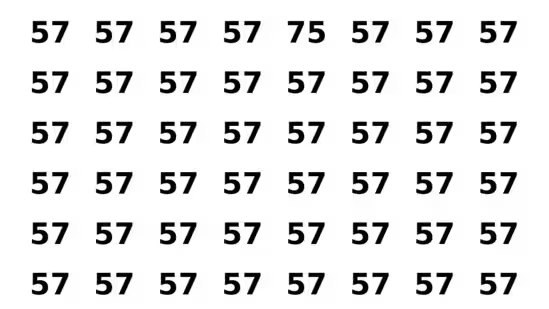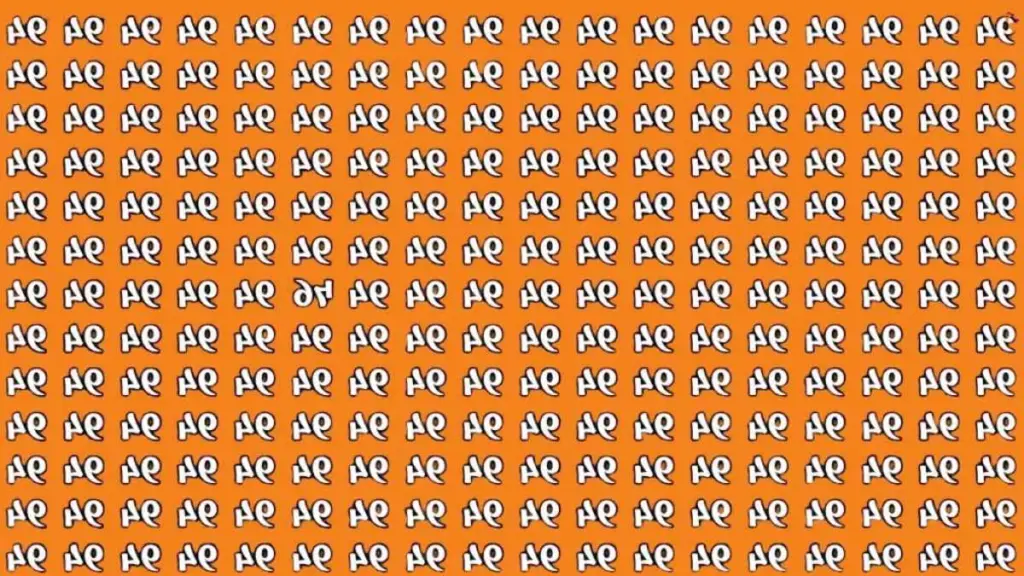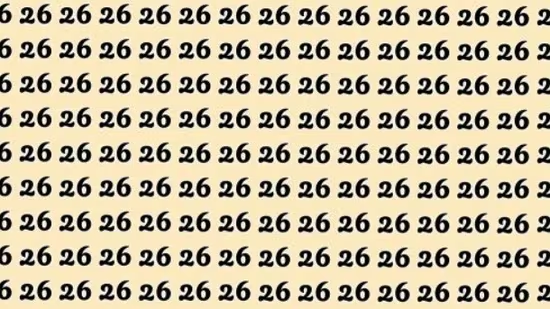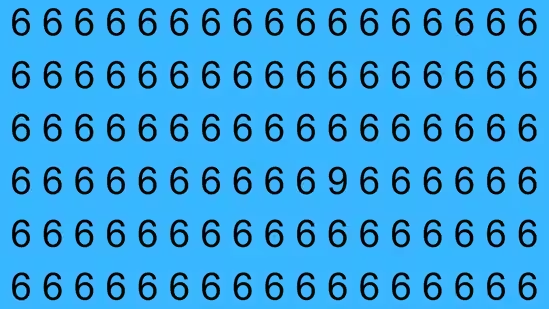
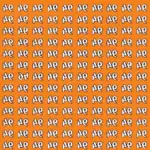
But this one is not the same. At first glance, it seems easy. A grid with numbers lined up in neat rows. Everything looks the same. Clean. You can count on it. Simple number alignment.
But in that sea of matching numbers, there is one strange number that doesn’t fit.
Your challenge is easy. In just five seconds, find the hidden odd number. It sounds easy, doesn’t it? A lot of people agree. But as soon as the timer goes off, something interesting happens. Your mind starts to race. Your eyes move quickly. And all of a sudden, the difference isn’t so clear anymore.

This is what makes the Eagle Eye Test so fun to do.
What Makes These Number Illusions So Hard
At first, your brain sees the grid as a pattern instead of a group of numbers. This is because our brains are good at quickly recognising things that happen over and over again. It puts things that are alike together to save time and energy.
Instead of reading each number separately, your brain thinks they are all the same. For example, picture a grid with 8898 on it over and over again. 8988 or 8893 could be hidden inside. There is a small difference. One digit changed one number that is a little different. You might not even see it.
The real trick is that your brain works faster than your focus. When the numbers are close, the mind automatically fills in the blanks. A lot of the time, that shortcut makes people miss the odd one out.
The Challenge of the 5-Second Rule
This is how to take the test the right way:
- Set a timer for 5 seconds only.
- Only scan one row at a time.
- Don’t jump around the grid at random.
- Follow your gut feeling.
Congratulations if you find the odd number in less than five seconds. You probably have a good eye for detail and are good at telling things apart visually.
It’s perfectly fine if you need more time. The challenge is meant to stretch your mind a little bit. It’s not just about speed. It is focus and attention.
What This Puzzle Says About How Your Brain Works
These quick visual puzzles are more than just fun. They really turn on several parts of your brain at once. Your visual cortex is in charge of recognising things quickly. Your prefrontal cortex is in charge of making decisions and staying focused. Your working memory quickly compares patterns efficiently.
You get better when you train with short timed challenges like:
- Ability to observe
- Length of time you can stay focused well
- Ability to recognise patterns
- Speed of processing
Even doing puzzles for a few minutes every day can help you stay mentally sharp over time. It’s like a short workout for your brain.
Mistakes That People Make a Lot
Most people don’t do well on this challenge because they:
- Scan too quickly and without a plan
- Let their eyes move around the grid at random
- Assume rows are the same without checking
- When the timer goes off, panic or freeze
Calm scanning is the smarter way to approach. Choose a way. Keep moving. Take a close look at the middle digits with your eyes.
The odd number is often hidden in a place that is not quite in the middle. Puzzle makers on purpose don’t put it in an obvious corner location. That’s sneaky, isn’t it?
The Strategy of Revealing
If you missed it, here’s a good tip for next time. Instead of reading the whole number, look at one digit at a time. For instance:
- Only scan the first number’s digit.
- After that, go to the second digit carefully.
- Then the third digit one by one.
This way of breaking things down slows your brain down just enough to notice small differences. You can use this method to try the puzzle again, and you might be surprised at how well you do.
Why Eagle Eye Tests Are So Popular
It’s very satisfying to beat a timed visual challenge. It gives you a quick sense of accomplishment. Your brain loves little victories daily. That little sense of success makes dopamine flow. It feels good, even if it only lasts a few seconds.
These puzzles are also for groups. People like to share them and dare their friends. It turns into a fun game of observation. Who saw it first? Who needed more time? And to be honest, sometimes it feels good to show that you can still see well.
Questions that are often asked
What is the Eagle Eye Test?
An Eagle Eye Test is a visual puzzle that tests your ability to pay attention and observe. It usually means finding a hidden object number or small difference in a short amount of time.
Are these puzzles good for your brain?
Yes, short visual puzzles help with focus pattern recognition, and the speed at which the brain processes information effectively. They can’t take the place of serious mental training, but they can help keep your brain awake and working.
Why is it so hard to quickly find the odd number?
Your brain automatically puts similar patterns into groups. When numbers look very similar, your brain thinks they are the same. This mental shortcut makes it harder to see small differences.
How can I get better at these tests?
Practice scanning in a structured way row by row. Instead of moving randomly, move row by row. Pay attention to each digit position on its own. Regular practice helps you see things better.
Do these tests check for intelligence?
Not directly. They check how well you pay attention to details, how quickly you process visual information, and how well you stay focused during the puzzle. Pattern recognition is just one of many things that make someone smart.
What if I didn’t find it in five seconds?
That’s totally normal. The 5-second limit is there to make it hard. Do it again without any stress. Most people get better when they take it easy.