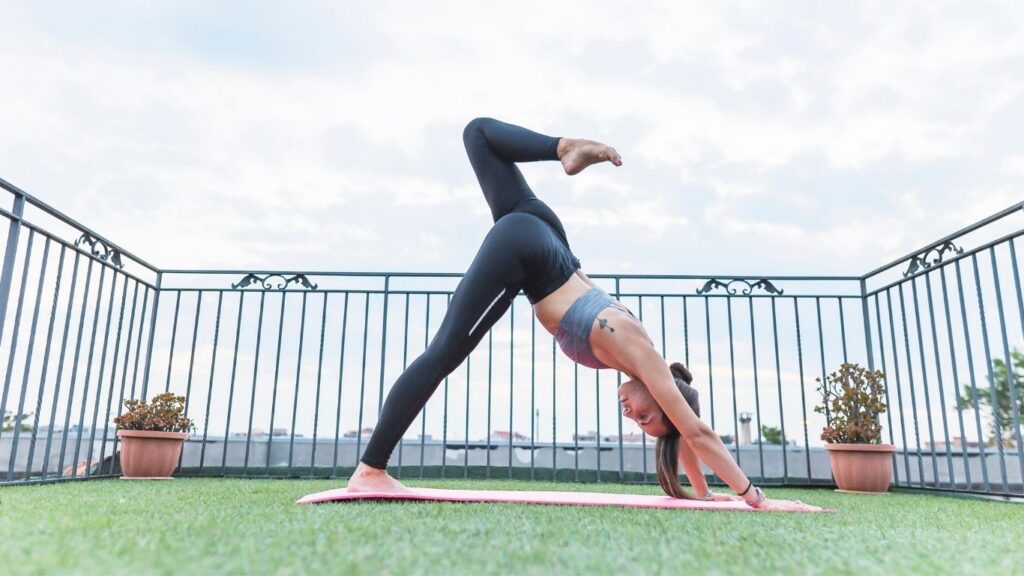
Planks are one of the most effective bodyweight exercises for strengthening the core, improving posture, and supporting overall fitness. Whether you are a beginner or an experienced athlete, understanding the right plank hold duration is essential to get the best results. In the United States, many fitness trainers recommend focusing on proper form rather than simply holding the position for as long as possible. Knowing the correct plank timing can help you build endurance, protect your back, and steadily develop stronger abdominal muscles without risking unnecessary strain.
Ideal Plank Hold Time for Core Strength
The ideal plank duration depends on your fitness level and overall conditioning. Beginners usually start with short holds of around 15–30 seconds while focusing on proper alignment and breathing. Gradually increasing the hold time helps activate the abdominal muscles and improves stability over time. Fitness experts often suggest multiple shorter sets instead of one extremely long hold. This method supports steady progress and lowers the risk of fatigue-related form mistakes. Maintaining proper plank form, engaging the core muscle activation, and building gradual time increase are essential for safe improvement. A consistent routine with a balanced training routine ensures that your plank workouts remain effective and sustainable.
Best Plank Duration Based on Fitness Level
Different fitness levels require different plank timing strategies. Beginners may benefit from shorter holds, while intermediate exercisers can extend their duration once they develop stability. Advanced athletes often incorporate variations such as side planks or weighted planks to increase difficulty rather than simply holding longer. The key is to avoid pushing beyond your body’s capability. Maintaining control of the spine and keeping the hips level is more important than reaching a record time. Following a beginner plank routine, progressing toward intermediate hold time, and eventually building advanced plank endurance allows your muscles to adapt naturally. Combining this with daily core training helps maintain long-term strength.

How Consistent Plank Timing Improves Core Strength
Regular plank practice strengthens more than just the abdominal muscles. It also engages the shoulders, lower back, and glutes, making it a powerful full-body stability exercise. Over time, consistent plank timing enhances muscle coordination and posture. Instead of aiming for extreme durations, focus on controlled breathing and maintaining alignment throughout the hold. This approach helps develop endurance while protecting your lower back. Prioritizing core stability training, maintaining a neutral spine position, building muscle endurance gains, and supporting functional body strength will deliver better results than simply chasing longer hold times. Small improvements each week can significantly increase overall core performance.
Understanding the Right Plank Strategy
The most effective plank routine is one that balances duration, technique, and consistency. Rather than focusing solely on long holds, fitness professionals recommend shorter sets performed with excellent form. This strategy reduces strain while maximizing muscle engagement. Over time, gradually increasing hold time or introducing plank variations can continue challenging the body. The key is maintaining steady progression and avoiding overtraining. By following a structured plan, incorporating progressive workout approach, emphasizing safe exercise practice, maintaining consistent fitness habits, and aiming for long term results, anyone can build stronger core muscles and improve overall stability.
| Fitness Level | Recommended Plank Time | Sets per Session | Goal |
|---|---|---|---|
| Beginner | 15–30 seconds | 3–4 sets | Learn proper form |
| Intermediate | 30–60 seconds | 3–5 sets | Improve endurance |
| Advanced | 60–120 seconds | 4–5 sets | Increase core strength |
| Athlete Level | 120+ seconds | 4–6 sets | Max stability training |
| Plank Variations | 30–90 seconds | 3–4 sets | Target multiple muscles |
Frequently Asked Questions (FAQs)
1. How long should beginners hold a plank?
Most beginners should start with 15–30 seconds while focusing on maintaining proper form.

2. Is holding a plank for several minutes necessary?
No, multiple shorter sets with correct posture are usually more effective than extremely long holds.
3. How often should you practice planks?
Practicing planks three to five times per week is generally enough to build core strength.
4. Can planks help improve posture?
Yes, planks strengthen the core and back muscles that support better posture.