The first thing you notice isn’t the stretch; it’s the quiet signal your hips have been sending you for years. The little voice that says something when you stand up after sitting for a long time. The soft resistance when you hurry to catch a bus, bend down to tie your shoes, or get out of bed. When your hips are tight, they don’t shout; instead, they slowly make your world smaller by making your steps shorter, your turns more careful, and your movements more limited. One day, even turning to get to the back seat feels like work. Your body forgets how to move naturally at some point during the day.
The Secret Life of Your Hips
Take a moment to watch people walk down a busy street or along a trail. Their hips are what move them forward. They take us from subway platforms to hiking trails, yoga mats and grocery store aisles. But we often treat them like a forgotten, stiff, and slightly locked corner.
People today spend a lot of time sitting at desks, in cars, on couches, and with their backs to screens. When you sit, the muscles in the front of your hips and thighs get shorter. The glutes, which are the strong muscles in the back, slowly stop working. This will eventually become the way your body works. Hips get tighter. The lower back makes up for it. Knees and ankles take on more stress.
 Household Beauty Oils That Encourage Thicker Eyebrows and Longer Lashes With Consistent Use
If you do yoga with patience, it feels like opening windows in a room that is closed off. Not aggressive stretching, but a slow conversation: How does this feel? What happens when you breathe? Can I relax here?
The 14 poses below don’t go to extremes. They’re about making more room in your hips so you can walk more easily, sit for longer periods of time without pain, and move with more confidence in your body.
1. A gentle warm-up to wake up the hips
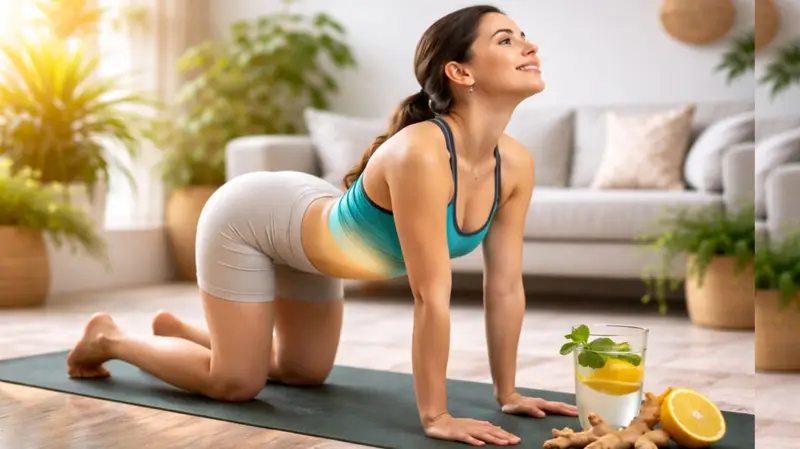
Cat-Cow with Awareness of the Hips
Get on your hands and knees, with your shoulders over your wrists and your hips over your knees. When you breathe in, your belly gets softer, your chest rises, and your tailbone tips up. Exhale, round your spine and tuck your tailbone. Do 8 to 10 slow rounds, paying attention to how the pelvis moves back and forth. This makes the hip joints more flexible and helps you become more aware of the base of your spine.
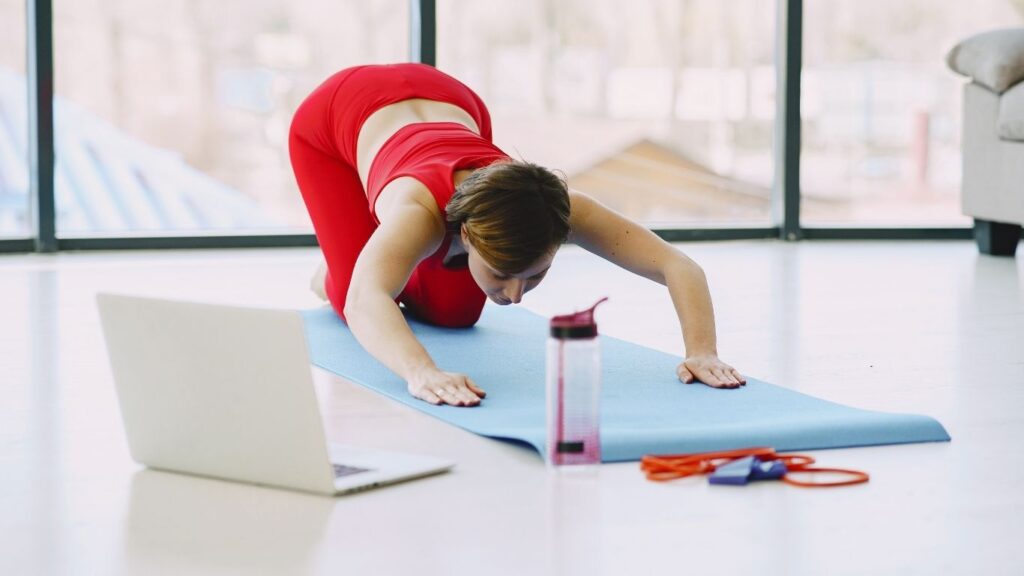
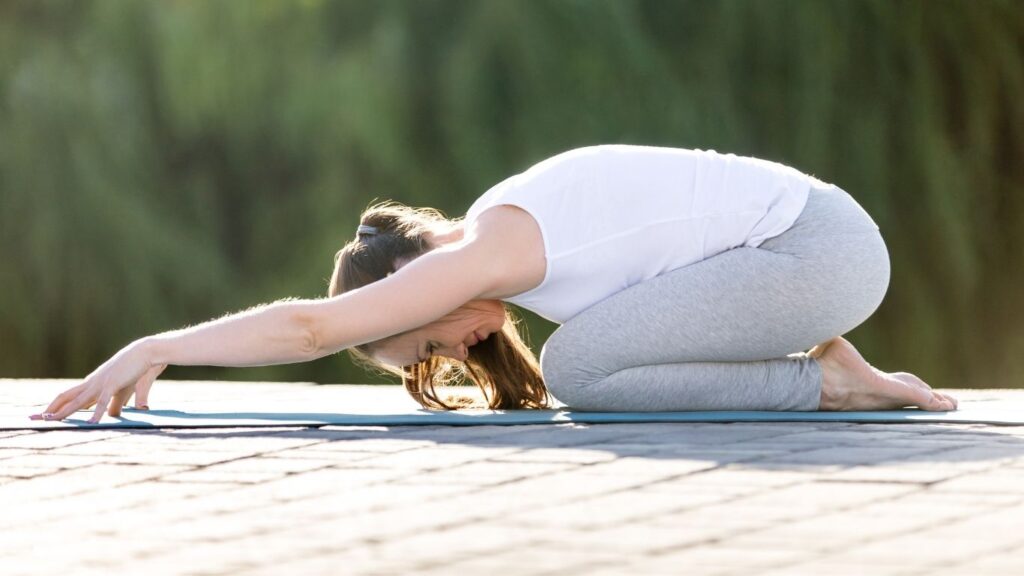
Child’s Pose with a Rock
From your hands and knees, lower your hips toward your heels into Child’s Pose, with your knees slightly apart. Then slowly rock forward into a mini-kneeling plank and back again. Keep your breathing steady and your movements smooth. This gently encourages the hips to move.
2. Poses that build strength and space while standing
Virabhadrasana II, or Warrior II
Put your feet apart. Point your right toes forward and your left toes slightly inward. Put your right knee over your ankle and keep your left leg straight. Open your arms wide. Feel your outer hips tighten and your inner thighs lengthen.
Utthita Parsvakonasana, or Extended Side Angle
From Warrior II, put your forearm on your thigh or your hand close to your foot. Put your other arm over your head. The front hip stretches deeper while the back leg stays strong. Front hip stretches deeper.
Trikonasana, or Triangle Pose
Make the front leg straight. Bend at the hip and put your hand on the floor, shin, or block. One hip bends while the other one opens up. With control, the outer hips and hamstrings get longer and more.
3. Low to the Ground: Deep Hip Release
Utthan Pristhasana, or Lizard Pose
From a low lunge, bend your back knee. Put your hands inside your front foot and move it wider. Stay standing or lower your arms. Strong feeling in the inner thighs and hip flexors.
Low Lunge (Anjaneyasana)
Stand up straight with your torso. Slightly tuck your pelvis. You should feel a stretch in your front hip and thigh. More than depth, focus on alignment.
Eka Pada Rajakapotasana, a variation of Pigeon Pose
Bring one knee forward and the other leg back. Stand up straight or bend forward. Stretch deeply into the outer hip and glutes. Change it if your knees hurt or feel uncomfortable.
Figure Four in a reclined position
Lay on your back. Put one ankle over the other thigh. Hold behind the leg and pull it in gently. Pigeon with more control and support.
4. Slow Surrender: Floor Poses for Deep Quiet
Baddha Konasana, or Bound Angle Pose
Sit up straight with your knees open and your feet together. Stay standing or bend slightly forward. Slowly let go of the inner thighs and groin.
 Awake Look Hack: Eyebrow Technique Makeup Artists Use to Instantly Brighten the Entire Face
Wide-Legged Seated Forward Fold (Upavistha Konasana)
Make your legs wide and V-shaped. With a long spine, walk your hands forward. The hamstrings and inner thighs get longer over time.
Ananda Balasana, or Happy Baby Pose
Get on your back, hold your feet or shins, and spread your knees. A deep stretch for the hips and a gentle stretch for the lower back. If it’s comfortable, rock back and forth. Deep stretch for hips.
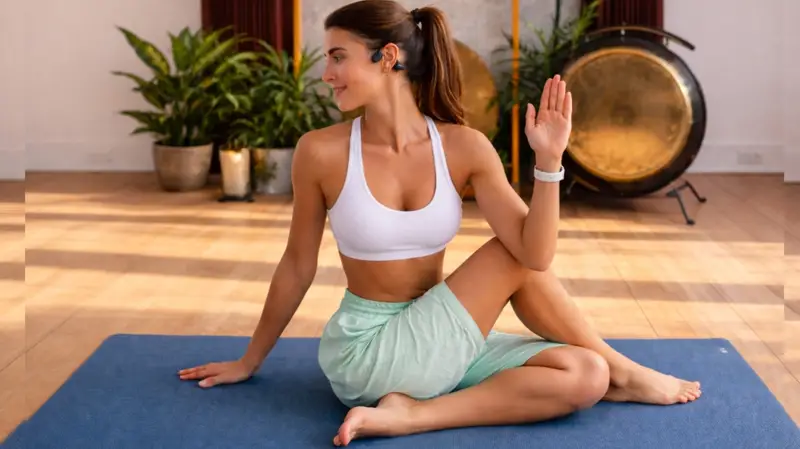
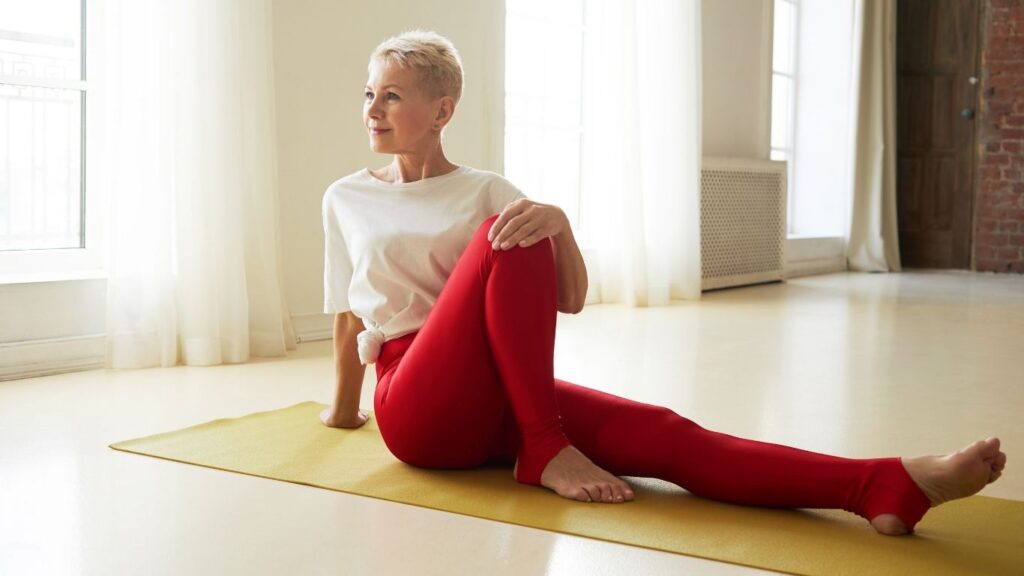
Reclined Twist (Supta Matsyendrasana, easy)
Put your knee across your body and extend your other arm out. Releases the outer hip and lower back, bringing the sequence into balance.
5. A Quick Look at Fourteen Poses That Open the Hips
PoseMain Focus on the HipOverall Intensity
Cat–Cow with Hip AwarenessMovement of the pelvis and lower backVery Mild
Rocking the Child’s PoseHip flexion and release of the lower backVery Light
Warrior II: stability for the outer hips and inner thighsNot too much
Extended Side AngleFront hip, inner thigh, and groinModerate to strong triangle poseOuter hips and hamstringsNot too much
Lizard Pose: Hip flexors and inner thighsStrong Low Lunge: Front of hip and quadricepsNot too bad to bad
Pose of the PigeonDeep glutes and outer hipModerate to Strong: Reclined Figure Four for the Outer Hip and Piriformis; Mild to Moderate
Pose of the Bound AngleMild to moderate pain in the inner thighs and groin
Wide-Legged Seated Fold: Inner thighs and hamstringsModerate to strong
Pose for a Happy BabyFlexing the hips and the outer hipsA little
Twist while lying downOuter hip, lower back: Mild
Child’s Pose (static) is a very mild way to relax your hips and lower back.
6. Creating a Short Ritual to Open Your Hips
You don’t need to spend a lot of time. Duration is less important than consistency. Duration is less important.
- Cat–Cow (1–2 minutes)
- Rocking Child’s Pose for 1 to 2 minutes
- Warrior II to Extended Side Angle on both sides
- Triangle on both sides
- Lizard or Low Lunge
- Figure Four or Pigeon Bound Angle
- Happy Baby and Reclined Twist
7. Paying attention to what your hips are really saying
Hips hold onto stress, tension from sitting, and daily habits. You might feel better or let go of your emotions when they start to open. This is normal and very expected.
Real change is small, like being able to stand without back pain, easily climb stairs, and sit cross-legged comfortably. Mobility isn’t about changing who you are; it’s about finding comfort in your own body again.
FAQ:
How often should I work on it?
Three to five times a week is best. If you do it every day, even 15 minutes will work and improve flexibility.
Can this help with pain in the lower back?
Yes, making the hips more mobile often takes stress off the lower back. If you have sharp pain, see a doctor.
What if my hips are really tight?
Use props and stay within your comfort zone. Stay away from sharp pain or discomfort.
Is it safe after an injury or surgery?
Only with the right changes and medical approval and guidance.
How long should you hold each pose?
For gentle poses, start with 3 to 5 breaths and work your way up to 1 to 2 minutes per pose.