With her eyes fixed on the thin silver line that traces her part, she confesses, I’m exhausted from chasing my roots. Chestnut, espresso, and iced mocha brown dye bowls are arranged next to each other like a science experiment, but she doesn’t like any of them. Something that screams “hair dye” is not what she wants. She desires a much less noticeable, natural, and subtle finish.
Farewell to Hair Dye
The stylist is aware of this. She opens a different colour chart, one with sheer tones, delicate glosses, and thoughtfully positioned lighter strands, rather than reaching for permanent colour. There are no long appointments or significant changes. Just careful methods that let grey hair soften contrast, blend in, and subtly revitalise the face without drawing attention.
This is the end of hair dye as we know it. The public’s perception of ageing is changing as a result of the new strategy, which is calmer, wiser, and far more forgiving.

From Extensive Coverage to Astute Camouflage
“I don’t want it to look dyed” is a common request you’ll hear when you walk into a contemporary salon. The issue isn’t grey hair per se. The flat, solid block of colour that appears artificial in daylight is what people are avoiding. The emphasis now is on soft blending techniques, which allows some silver to show while controlling its appearance.
Transparent tints root shadows, eye-catching glosses, and sporadic highlights that subtly deceive the eye are now common techniques. Many stylists are switching from harsh permanent dyes to gradually fading semi-permanent veils. Less time spent in the chair, fewer noticeable regrowth lines, and a look that feels fresh rather than freshly coloured are the benefits.
Karen, 52, entered a small London salon with a well-known request: “Make the grey disappear.” She had been fighting fast appearing roots by colouring every three weeks. A different approach was recommended by her stylist: no solid root coverage, a soft mushroom brown glaze, and a few ultra-fine face-framing highlights. The harsh regrowth line vanished after two hours. The silver strands appeared deliberate, akin to a sophisticated balayage.
After eight weeks, the grow out was hardly noticeable. Karen stopped counting down the days until her next appointment and stopped fearing the mirror. She remarked, I feel younger because I’ve stopped fighting it, not because the grey disappeared. This movement is spreading far beyond social media in large part because of that feeling of mental relief.
Why the Face Is Changed by Blending Grey
Solid, dark, opaque dye can highlight fine lines and shadows under the eyes by creating a harsh frame around the face. Conversely, the scalp is highlighted by bright white roots set against dyed lengths. Both effects are lessened by blending techniques. Skin looks less worn out, features appear cleaner, and attention is drawn away from the hairline when contrast is reduced and light is added close to the face.
Using light and shadow to direct the viewer’s gaze, stylists frequently refer to it as contouring for hair. Grey is incorporated into the design rather than eliminated. It’s just a more deliberate use of what’s naturally growing, not a trick.
The Contemporary Guide to Youthful Grey
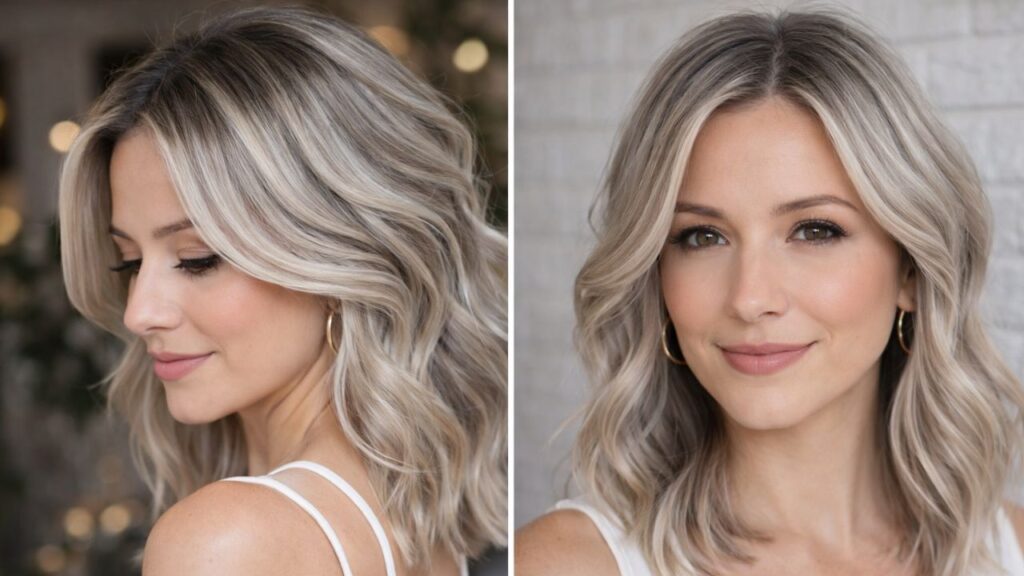
Grey blending is the most notable method available today. The stylist works in sections rather than covering every strand. The brightest silvers are softened by a translucent demi permanent colour, and delicate lowlights provide depth. Ultra-fine highlights, also known as baby lights, keep everything airy and avoid heavy areas around the face.

Rigid maintenance schedules are avoided with this approach. Appointments may take up to eight or even twelve weeks if there isn’t a clear distinction between dye and grey. Deliberate imperfection, or subtle changes in light and tone that produce an expensive worn in finish, is the key. Instead of feeling painted, the outcome feels polished.
Easy Maintenance That Preserves Grey Searching Intentionally
Daily maintenance is surprisingly low. Yellowing can be avoided by using a mild purple or blue shampoo once a week. Coarse grey hair can be made to lie smoother and reflect light by using a light shine oil or serum. On special occasions, tinted root powders or sprays along the part act as a subtle filter for the hairline, instantly softening contrast.
Complicated mirror routines are rarely desired. Small, sustainable habits like cutting brittle ends, using heat protection when blow-drying, and switching to milder everyday shampoos are what endure. Over time, these details give grey hair a deliberate healthy appearance instead of an unruly one.
The Trend’s Emotional Shift
People’s perceptions of themselves are also altered by this kinder modern approach. The focus shifts to shine, movement, and texture rather than individual white strands. Instead of asking, Does my hair look young, the question becomes, Does my hair look alive. Much of the daily annoyance that grey hair used to cause is eliminated by that small mental adjustment.
Lila Moreau, a colourist in Paris, puts it this way: Clients no longer ask to cover grey. On a good day, they want to appear well rested and radiant. That is accomplished by face-framing light and grey blending. The objective is to stop your roots from speaking before you do, not to conceal your age.
Typical Errors That Damage the Appearance
- Selecting excessively dark hues for coverage can cause the face to age.
- Frequently using permanent box dye to produce a thick, matte finish
- Ignoring cut and shape can make even well-chosen colours appear worn out.
- Using purple shampoo excessively until hair looks lifeless
- Anticipating that a single session will reverse years of colouring
A Novel View of Confidence and Age
Something intriguing occurs when people give up on achieving complete grey erasure. Once more, they experiment with lighter tones near the face that mimic natural silver highlights, a slightly shorter cut, and softer fringe. Friends don’t discuss the grey itself. You look rested, they remark, or You look different, in a good way.
This change is not about giving up colour completely. It involves putting off urgent appointments, hiding in between touch-ups, and being afraid of regrowth in bright light. Some continue to colour, but more subtly than before. Others prefer natural grey with a shine enhancing gloss. Many end up in the middle.
The deeper narrative revolves around personal decision making. The emphasis shifts from erasing age to modifying its impact when grey is softened and blended rather than viewed as a defect. Playing with light, texture, and shape while preserving the years you’ve lived becomes a kind of quiet confidence, and that’s what really comes through.
Important Lessons for Readers
- Over complete coverage, grey blending: Soft lowlights, fine highlights, and demi-permanent tones lessen harsh regrowth and produce a more youthful appearance.
- Simple consistent maintenance: Weekly purple shampoo, gentle products, and occasional root sprays manage gray without complexity.
- Emphasis on texture and light: The right cut, added shine, and less aggressive heat make hair look vibrant and lift the entire face.