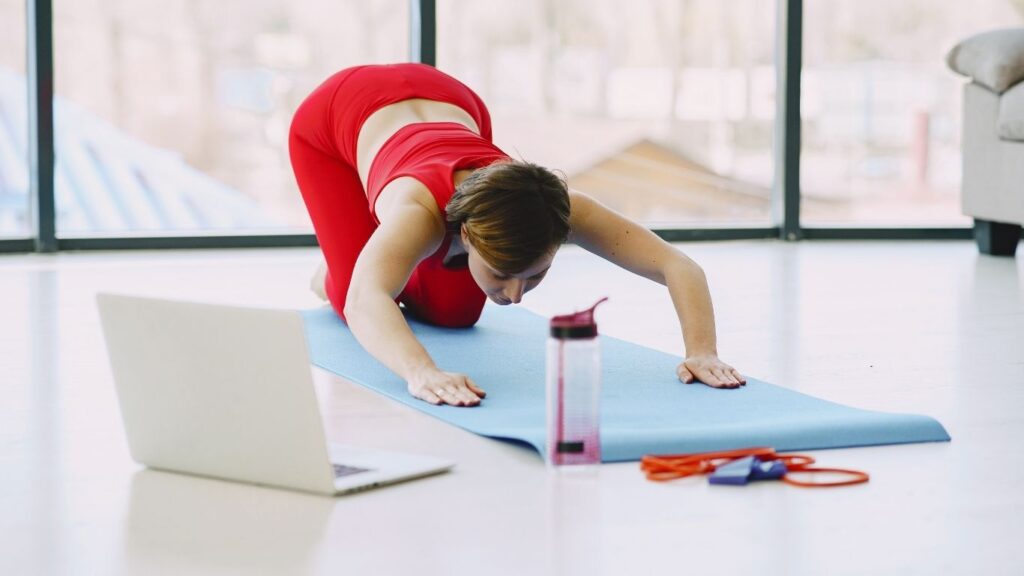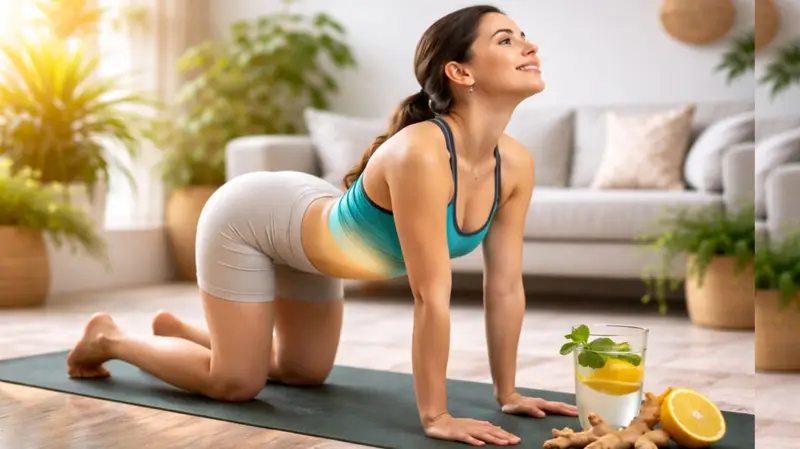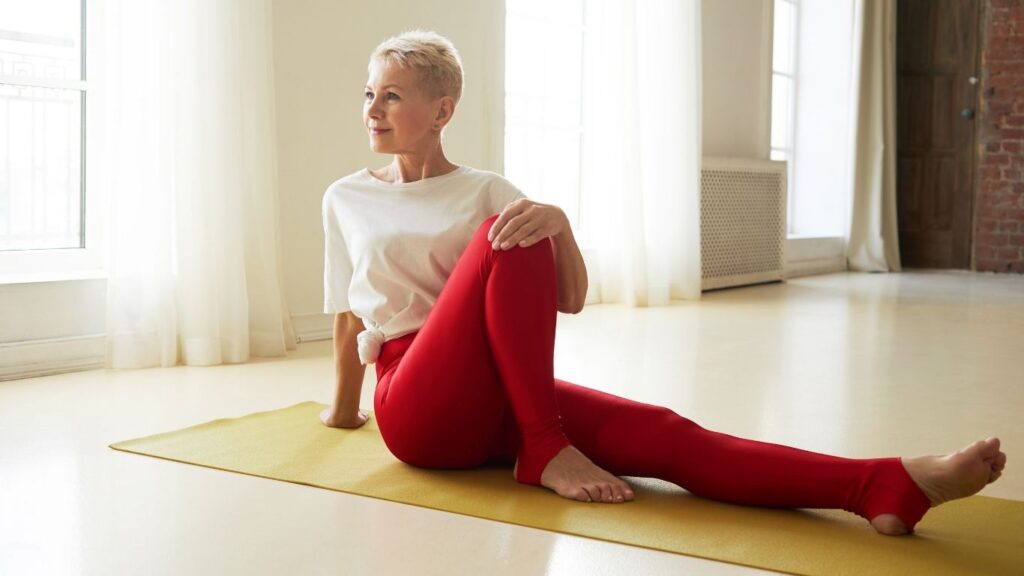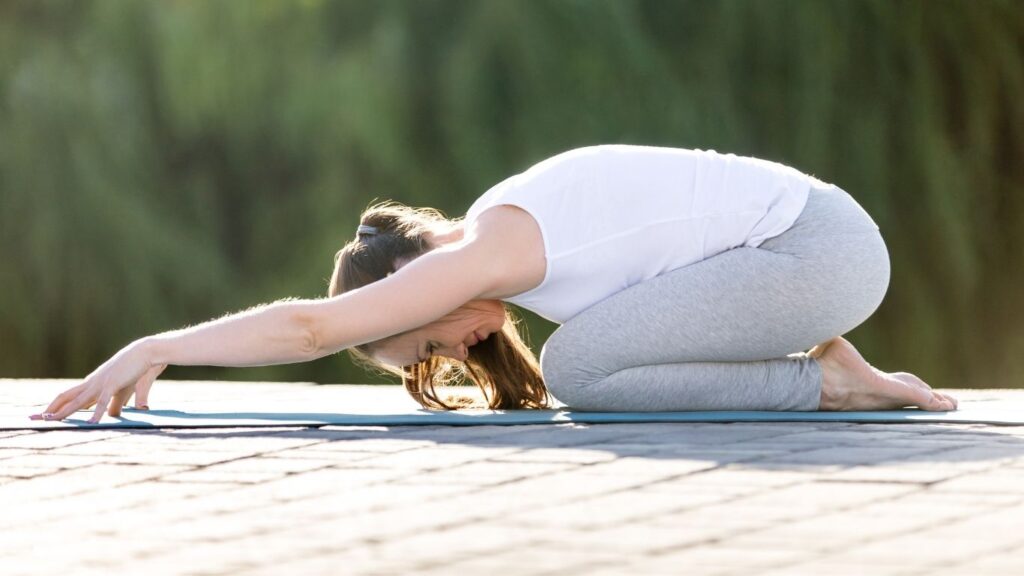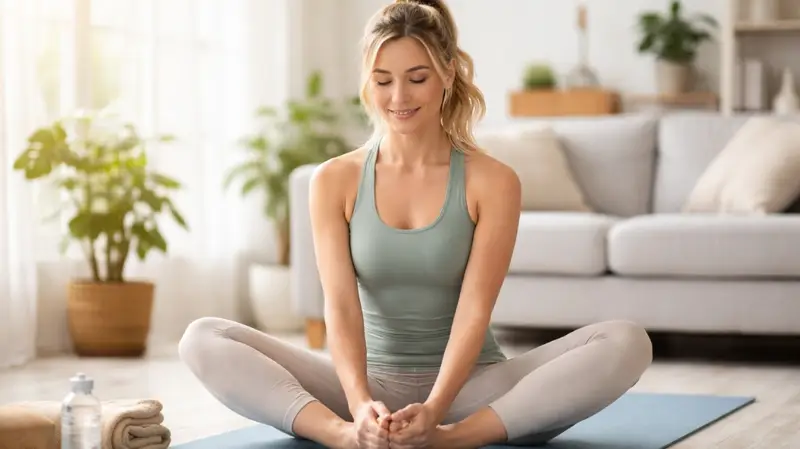
If your hips are stiff or tight, it can be hard to do everyday things like walking, bending, climbing stairs, or even sitting comfortably many adults in the US and UK have tight hips because they sit for long periods of time, work at desks, don’t get enough exercise, or have bad posture many people don’t know that gentle mindful yoga can help keep your joints hydrated make it easier to move, and ease pain without having to do intense workouts. Your hips can become more flexible, improve circulation, and move more smoothly again with slow stretching steady breathing, and regular practice. A few specific poses done on a regular basis can help you feel better and keep your joints working normally for years.
Gentle starter poses to wake up stiff hip joints
When your hips are stiff the best thing to do is to start with slow gentle movements instead of deep stretching. Poses like Butterfly Pose and Happy Baby are easy for beginners and gently open the hip socket, which helps the joint stay lubricated naturally. These movements get blood flowing which helps nutrients get to the cartilage and synovial fluid flow, which keeps joints hydrated.
While holding each pose, pay attention to breathing slowly and evenly. Don’t try to force flexibility let your body relax into the stretch. Mindful posture and controlled transitions can help ease the tension that builds up from sitting for long periods of time. A short daily routine of just 10 minutes can slowly improve your range of motion and make everyday tasks feel easier and smoother. Over time, these gentle poses help your hips feel better and less stiff without putting too much stress on them.
Restorative Yoga to Ease Deep Hip Stress
Restorative yoga can help your hips feel better if they are locked heavy or tired. Pigeon Pose and Reclined Figure Four are two poses that work on deep hip tissues and help keep the pelvis in balance. These slow supported stretches help the muscles around the hip joint relax over time, which makes them more flexible and improves blood flow.
Using things like cushions yoga blocks or folded blankets can help you do poses without pain. Gentle holds and slow breathing together help the nervous system relax, which helps muscles relax on their own. This calm method makes tissues more flexible and lessens the stiffness that comes from stress and not moving around enough.
Taking some quiet time to work on your hips can make a big difference in how comfortable straight and overall joint function you feel in your lower body. A lot of people say that their hips feel lighter freer and more relaxed after doing this regularly.
Dynamic Yoga Flows to Make Your Hips More Flexible Of course
Adding dynamic yoga movements can help strengthen and stabilize the joint once your hips start to loosen up. Low Lunge flows and Warrior variations are examples of gentle sequences that move the hips through different angles. This helps with active flexibility and muscle engagement.
These flowing movements help you move better around your hip joint and support the healthy movement patterns you need for walking, bending, and other daily tasks. When the hips move in a controlled way on a regular basis, the joint space stays strong, healthy, and flexible.
Doing dynamic hip flows two to three times a week can slowly turn stiff hips into joints that move and balance better. This method not only helps with everyday comfort but it also helps people who play sports, work out, or walk a lot. Your hips will feel more stable flexible and naturally supported over time.
Why Consistency Is Important for Long-Term Hip Health
Consistency is more important than intensity when it comes to keeping your joints healthy. Daily yoga sessions of only a few minutes help keep your muscles toned flexible and in the right position. Bad sitting habits, weak supporting muscles, and less movement can all lead to hip problems that get worse over time.

Doing yoga on a regular basis helps you become more aware of your body, which makes it easier to sit, stand, and walk without putting too much stress on your hips. Gentle progress steady breathing, and being aware of your stretching help the joints adjust safely without hurting them. You can feel better and move better for a long time with just 15 minutes a day.
Your knees and lower back are supported by healthy hips. Yoga is a natural and long-lasting way to keep your joints hydrated, strong, and pain-free for years if you are patient and practice regularly.
Easy hip-opening poses and why they are good for you
- Butterfly Pose 1–2 minutes to improve circulation and flexibility in the inner hips
- Pigeon Pose A deep stretch for the glutes and hip rotators (1 minute on each side)
- Low Lunge Opens up the hip flexors and makes it easier to move around (30–60 seconds)
- Happy Baby Pose loosens up the lower back and hips (1 minute)
- Reclined Figure Four a gentle hip opener that makes your joints feel better (1–2 minutes)
Take your time, breathe deeply and don’t push yourself to move. More important than depth are comfort and control.
Last thought
For everyday life to be smooth and pain-free, your hips need to be healthy. You don’t need to do hard workouts or follow complicated routines. Just do gentle yoga breathe steadily, and practice regularly. If you are patient and aware, your hip joints can stay flexible, hydrated, and strong. This will help you move comfortably and naturally every day.
Frequently Asked Questions (FAQs)
1. How often should I do yoga to make my hips more flexible?
Doing it three to five times a week will slowly make your hips more flexible more mobile, and more comfortable.
2. Is it true that yoga can help keep your hip joints hydrated?
Yes. Gentle movement and better blood flow help the body make synovial fluid which naturally protects and lubricates joints.
3. Are these positions safe for people who are just starting out?
You can change most poses with cushions or blocks, which makes them safe and easy for beginners to do if you take your time and pay attention.
4. How long will it take for me to see a difference?
After two to four weeks of regular, gentle practice, many people feel better mobility and less stiffness.